
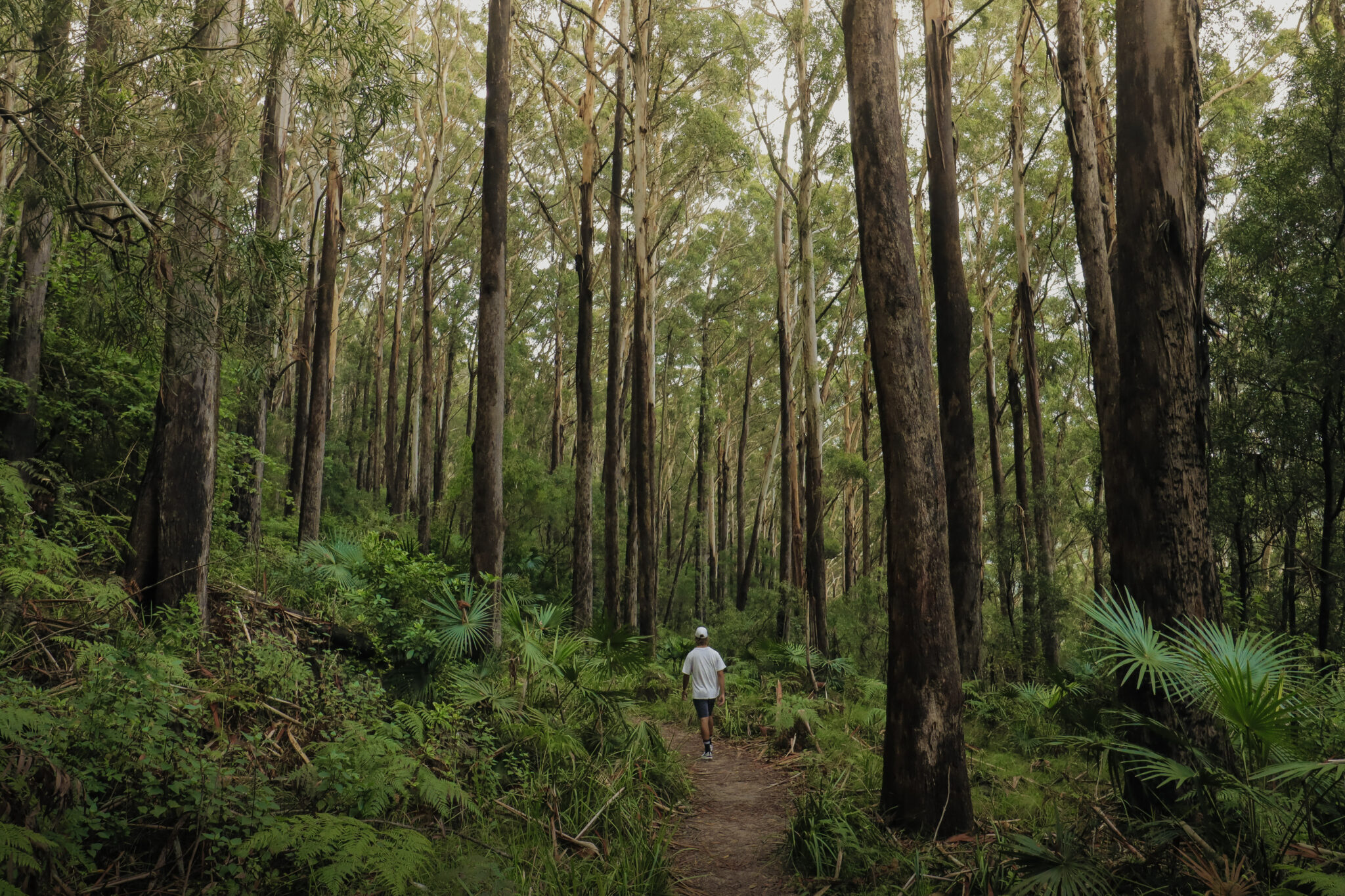
The beach might be the headline, but it’s not the whole story.
Wollongong has layers – coastal history, industrial roots, cultural influences and landscapes that have shaped the region for generations. Look beyond the shoreline and you’ll uncover heritage trails, working harbour views, creative spaces and lush green escapes tucked between the city and the escarpment.
If you’re searching for unique things to do in Wollongong, or looking for Wollongong tours and experiences that go beyond a swim, you’re in the right place. From guided walks that unpack the region’s past to cultural landmarks, art trails and peaceful gardens, there’s far more here than meets the eye.
Ready to explore Wollongong beyond the beach? Let’s dive a little deeper.
Where Wollongong’s History, Heritage and Culture Come to Life
To understand Wollongong, you have to look beyond what’s visible at first glance. Long before steelworks and surfboards, this land was home to the Dharawal People, who have cared for and moved through this region for tens of thousands of years. That deep connection to Country is still present – if you know where to look.
Experiencing Aboriginal culture in the Illawarra is not about reading a plaque and moving on. It’s about listening, learning and feeling the stories that have shaped this coastline for generations. Through Gumaraa’s cultural programs and tours, you can immerse yourself in the traditions and knowledge of the Dharawal and Yuin Nations, gaining insight into the world’s oldest living culture in a way that is personal and powerful. It is an opportunity to see the landscape not just as scenery, but as a living, breathing story.
Further south, the self-guided Bass Point Indigenous Cultural Walk offers sweeping coastal views paired with a profound sense of history. Interpretive signage along the trail shares the story of the Wodi Wodi People, part of the Dharawal Nation, who travelled seasonally through this region and camped at Bass Point. The reserve is recognised as one of the most significant archaeological sites on the New South Wales coast, and walking here connects you to thousands of years of movement, knowledge and care for the land.
In Port Kembla, Hill 60 Lookout reveals another layer of Wollongong’s past. On the surface, it is all panoramic coastline and ocean breeze. But beneath your feet lie World War II fortifications built to protect the vital industrial centre of Port Kembla. Concrete bunkers remain, and underground tunnels – now inaccessible – honeycomb the hill. Along the surrounding shores, Aboriginal shell middens and artefacts remind visitors that this place carries both ancient and modern histories at once.
That industrial story continues at the Port Kembla Steelworks, where Inside Industry’s Working Port Tour offers a rare glimpse into the scale and significance of one of Australia’s largest industrial hubs. It is raw, fascinating and unexpectedly impressive – a reminder that Wollongong’s identity has long been shaped by coal, steel and the people who built their lives around it.
Back along the foreshore, the Blue Mile History Walking Tour ties many of these threads together. Beginning at Flagstaff Hill and tracing the coastline toward the Old Courthouse, the guided walk unpacks Wollongong Harbour, the forts, salt making, coal trading, sea bathing and the evolution of the city itself. It is the kind of experience that changes how you see a place. What once felt like a simple waterfront stroll becomes a layered story of defence, industry, recreation and resilience.
And in the heart of the Illawarra, Coomaditchie United Aboriginal Corporation offers something equally important – a living expression of culture today. Their art space showcases work by local Aboriginal artists, each piece telling stories of Country, community and identity. Visitors are welcomed to connect, learn and explore, supporting ongoing cultural education and community programs in the process.
This is the side of Wollongong that doesn’t always make the postcards – but it’s the side that gives the region its depth. When you slow down and explore its heritage, the coastline begins to look different. The escarpment feels older. The harbour holds more meaning. And the city reveals the stories that shaped it.
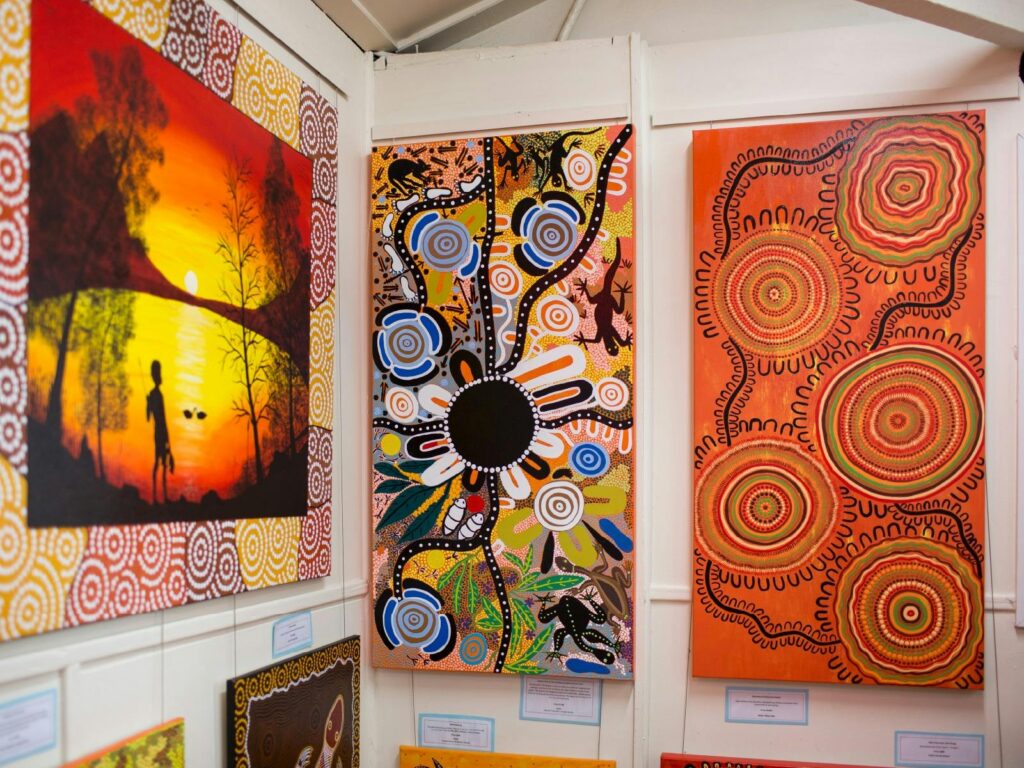
Creative Spaces and Cultural Icons Across Wollongong and Beyond
Wollongong’s cultural scene is as layered as its landscape, shaped by community, creativity and spaces that invite you to slow down and look closer. You do not have to search far to find art woven into everyday life here – it sits beside the lake, inside historic buildings and embedded in the hills.
One of the region’s most striking cultural landmarks is Nan Tien Temple. Just 90 minutes south of Sydney, this State Heritage–listed site is the largest Buddhist temple in the Southern Hemisphere and a place that leaves a lasting impression. Towering Buddha statues, sweeping gardens, lotus ponds and vibrant temple halls create an atmosphere of calm and wonder. Visitors come to meditate, explore the art gallery and museum, join a guided tour, wander the grounds in quiet reflection or enjoy vegetarian cuisine at the Tea House or Arts Cafe. Festivals, markets and special events fill the calendar throughout the year, making every visit feel slightly different from the last.
Further north, perched just south of the iconic Sea Cliff Bridge, the Clifton School of Arts stands as a reminder that creativity has long had a home in the Illawarra. This Victorian landmark has served the community for more than 110 years, hosting exhibitions, workshops and events in its light-filled rooms overlooking the ocean. It is the kind of place where history and contemporary creativity coexist – where you might stumble upon an art show, a craft workshop or a local gathering framed by spectacular coastal views.
Art also spills out into the open air along the Lake Illawarra Art Trail. Walk or cycle the foreshore and you will encounter a series of sculptural totem poles and installations created by local artists in collaboration with the community. Each piece responds to the lake – its Aboriginal heritage, its ecology, its stories and the people who have shaped it. Woodcarving, mosaic, glass and painted forms transform a simple stroll into a cultural journey, grounding you in the landscape as you move through it.
In the heart of Wollongong, Project Contemporary Artspace offers a different perspective again. This not-for-profit, artist-run gallery has been supporting local creatives since 1995. Housed in a large, open-plan industrial space, it presents an eclectic program of exhibitions and events throughout the year, showcasing both emerging and established artists. It is raw, community-driven and constantly evolving – a reflection of Wollongong’s independent creative spirit.
If you are willing to venture a little further south, Bundanon is well worth the day trip. While not in Wollongong itself, this remarkable South Coast destination feels like a natural extension of the region’s creative identity. Set across 1000 hectares of bushland, Bundanon is many things at once – an art museum embedded in the landscape, a wildlife sanctuary and a gift to the Australian people. The award-winning Art Museum and Bridge for Creative Learning host a changing program of contemporary exhibitions and cultural experiences, while the historic Homestead and Arthur Boyd’s studio invite visitors to step back through time. Add a bushwalk through the surrounding landscape or a seasonal menu at Ramox Cafe, and the journey becomes more than a gallery visit – it becomes an immersive experience.
Back in the Northern Illawarra, the art trail movement continues to grow. The Northern Illawarra Art Trail opens studio doors from Bulli to Helensburgh, inviting visitors to follow a route wedged between coast and escarpment. Artists working across oils, acrylics, watercolours, photography, ceramics and more welcome the public into their creative spaces for a limited time each year. It is intimate, personal and distinctly local – the kind of experience that connects you directly to the people shaping the region’s creative future.
Together, these spaces reveal another side of Wollongong. One defined not just by natural beauty or industry, but by imagination, community and cultural exchange. Beyond the beach, art and creativity are not confined to galleries – they are embedded in the landscape, stitched into historic halls and carried forward by the people who call this place home.
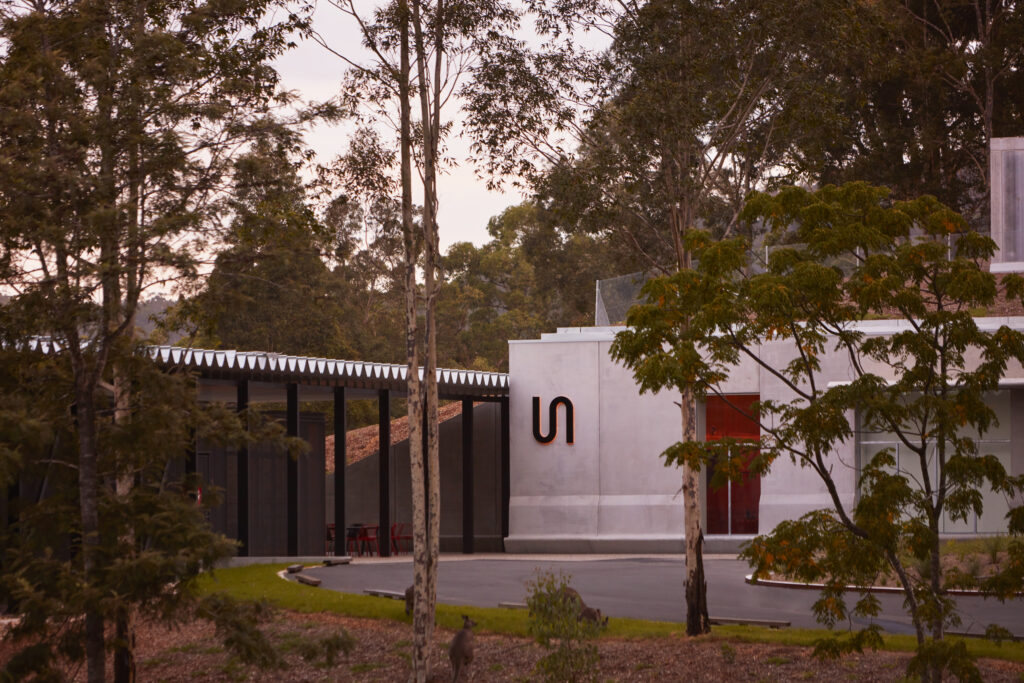
Green Spaces, Gardens and National Parks Near Wollongong
If you are craving space to breathe, Wollongong delivers far more than a stretch of sand. Beyond the coastline lies a network of gardens, rainforest pockets and national parks that offer a slower, greener way to experience the region.
Right in the heart of the city, Wollongong Botanic Garden is an easy starting point. Spread across beautifully curated themed gardens, shaded lawns and winding paths, it is a place to wander without a plan. Discover native plant collections, rainforest pockets and seasonal displays that change throughout the year. Spring brings bursts of colour, autumn softens the landscape into warm tones, and even in winter the garden feels calm and grounding. With wide pathways, picnic spots and plenty of quiet corners, it is one of the most accessible and restorative Wollongong gardens to explore.
A little further north, the Illawarra Rhododendron and Rainforest Gardens feel like stepping into another world. Best known for their vibrant rhododendron blooms in late winter and spring, the gardens also offer tranquil rainforest walks and cool, shaded paths year-round. During peak flowering season, the hillsides light up with colour, drawing visitors from across the region. Outside of bloom time, it remains a peaceful escape, ideal for slow walks and unhurried afternoons.
For something distinctly local, Illawarra Grevillea Park Botanic Garden showcases an impressive collection of Australian native grevilleas. Open seasonally, it is a hidden gem for plant lovers and anyone curious about native flora. Flowering peaks across winter and spring, when the gardens come alive with colour and birdlife, making it a rewarding stop for those who time their visit right.
Then there is the dramatic green backdrop that frames the entire region. The Illawarra Escarpment State Conservation Area rises behind the city, offering elevated lookouts and forested trails that shift your perspective instantly. Here, nature walks in Wollongong take on a different character – less manicured, more expansive. From gentle bush tracks to panoramic vantage points, the escarpment reminds you how closely the city sits to wilderness.
Venture slightly further into Dharawal National Park and the sense of escape deepens. This protected landscape of sandstone cliffs, waterfalls and eucalypt forest feels worlds away from the urban coastline, yet it is only a short drive from the centre of Wollongong. Walking trails wind through bushland shaped over millennia, offering both accessible routes and more immersive hikes for those wanting to explore further. It is one of the most rewarding national parks near Wollongong for anyone seeking quiet, space and a deeper connection to the landscape.
Together, these green spaces reveal another dimension of the region. Yes, Wollongong is coastal. But it is also rainforest, garden, bushland and escarpment. Beyond the beach, there are places designed not for sunbathing, but for slowing down – for wandering shaded paths, listening to birdsong and letting the landscape do the talking.
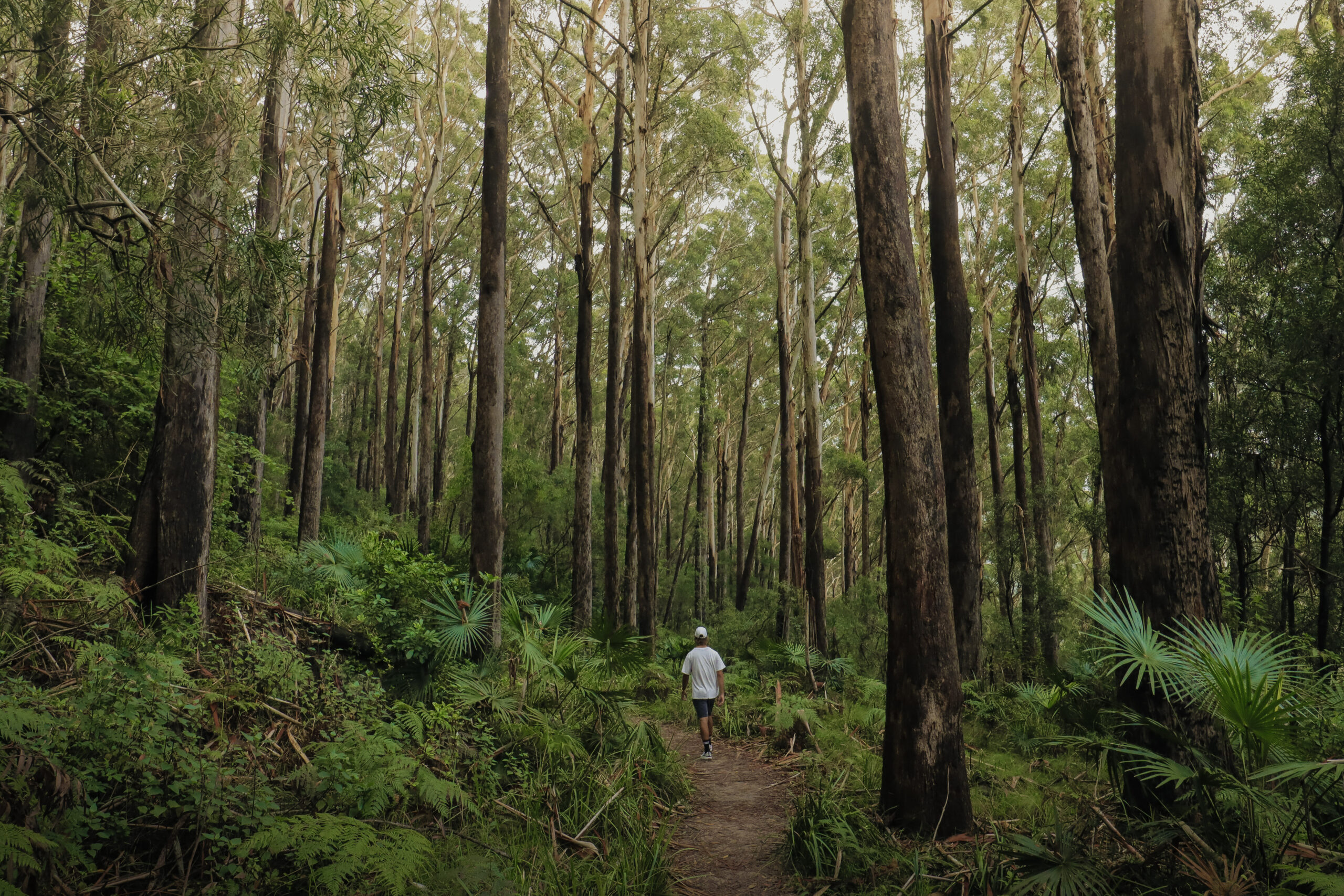
Wollongong’s beaches may draw you in, but it’s the layers beneath the surface that leave a lasting impression. From cultural landmarks and living Aboriginal stories to artist-run spaces, heritage walks and rainforest escapes, this is a region shaped by more than its coastline.
When you step beyond the sand, you uncover a city rich with history, creativity and quiet green spaces waiting to be explored. So next time you visit, take the scenic route inland, wander a little slower and discover a side of Wollongong that most people never see.